Firayalal Public School follows NEP 2020 guidelines in implementing LSRW acronym for Listening, Speaking, Reading, and Writing skills across stages.
STAGES :
The Foundational Stage at F.P.S. comprises of BalVatika II (Nursery), and BalVatika III (Prep).
Early childhood education serves as the foundation for all future learning. These are the formative years of learning which play vital role in the life of a child. The pre-primary curriculum is delivered through the approach based on the following premise:
The curriculum focuses on the domains such as cognitive, linguistic, creative, social and physical development. Curriculum provides numerous exposures to nurture sensory and gross motor skills for physical development of children. To cater the educational needs of children, the school has multiple teaching aids like interesting audio – visual aids, digitalized interactive panels, various toys and games for cognitive development and a series of teaching material for introducing concept that builds strong foundation. To promote foundational literacy and numeracy (FLN), we have joyful noise, a fun-activity zone that supports the concept of play-based learning in an engrossing manner.
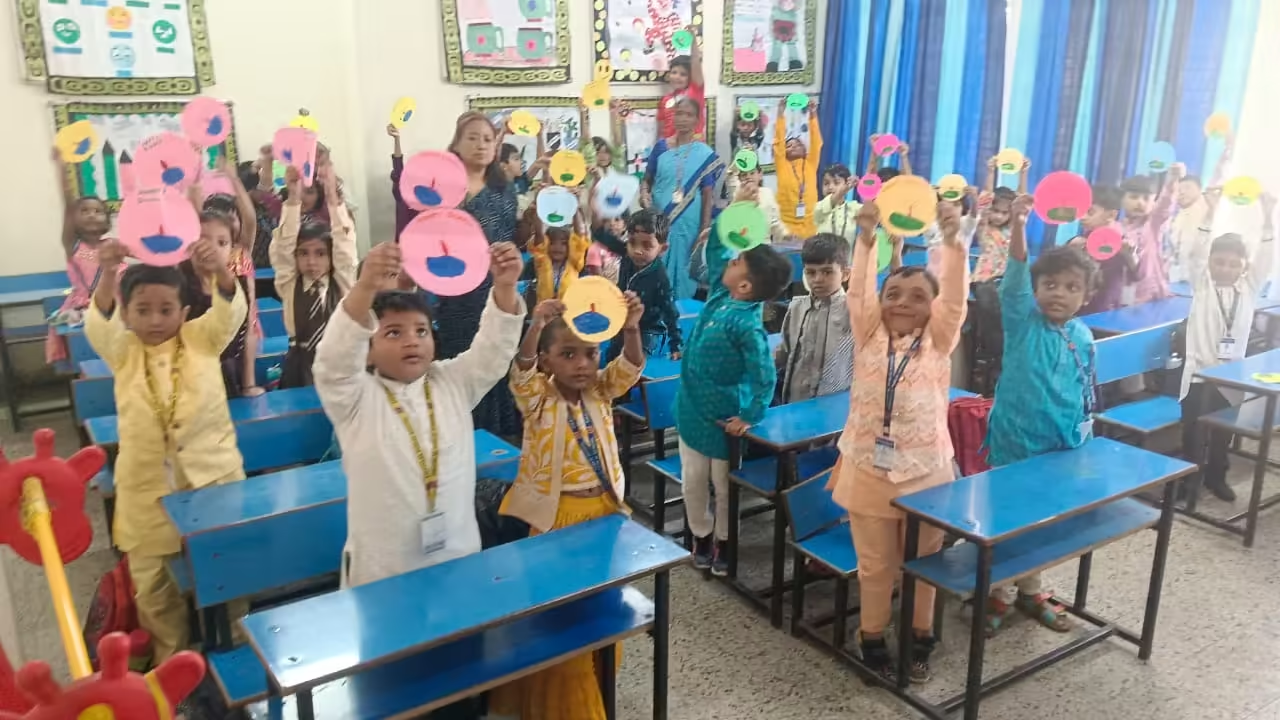
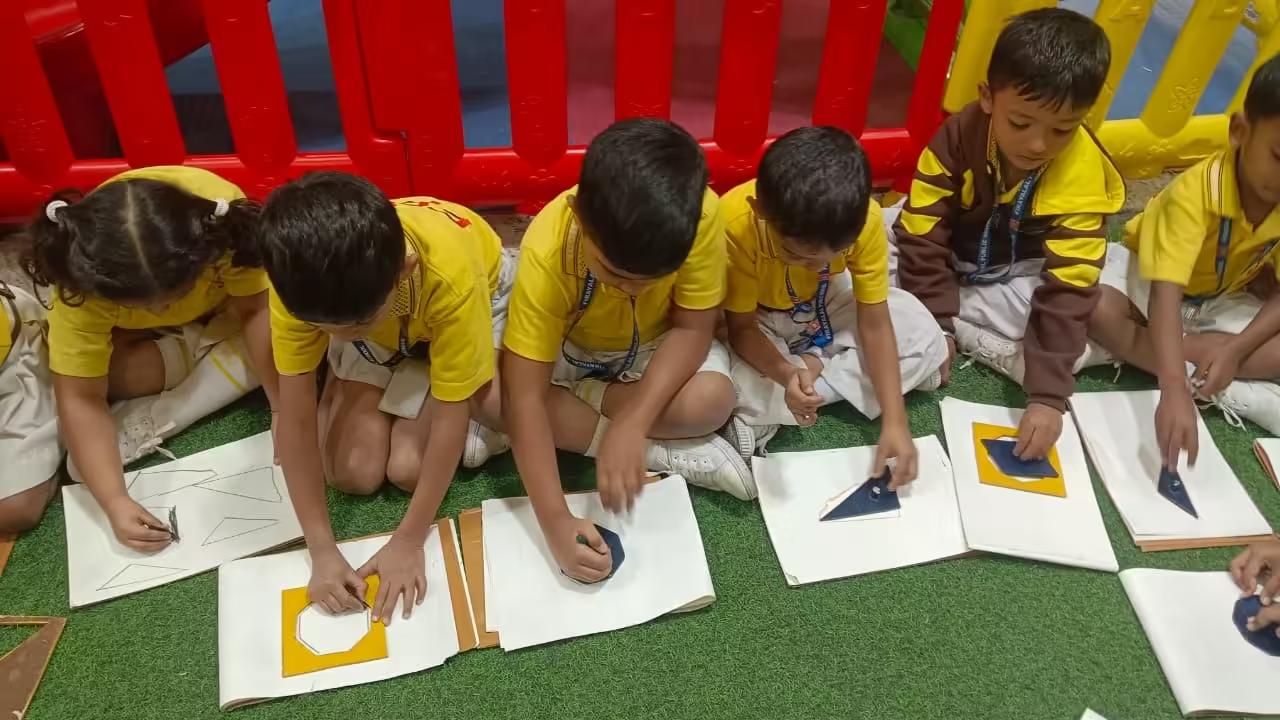
At Firayalal, the focus is on assignments that nurture learning, not formal assessments. Aligned with NEP 2020, our approach emphasises listening skills, activity-based learning, and exploration rather than tests or comparison. We primarily focus on developing Orative and Listening Skills in the formative years of a child. Children engage in storytelling, hands-on activities, sensory play, and guided conversations that help them understand concepts naturally and joyfully. These assignments are designed to encourage curiosity, creativity, and self-expression while allowing teachers to observe each child's progress holistically. This ensures that learning remains stress-free, meaningful, and developmentally appropriate, supporting every child's unique pace of growth.
At FPS, the curriculum at this phase encompasses a systematic, activity-based, experiential, and inquiry-driven approach.
As children progress through Grades III to V, their cognitive abilities expand, and the teaching–learning process evolves accordingly. Learning becomes more structured, engaging, and purposeful in conformity with LSRW Programme. Here we engage the students with listening, speaking, reading and writing in equal ratio.
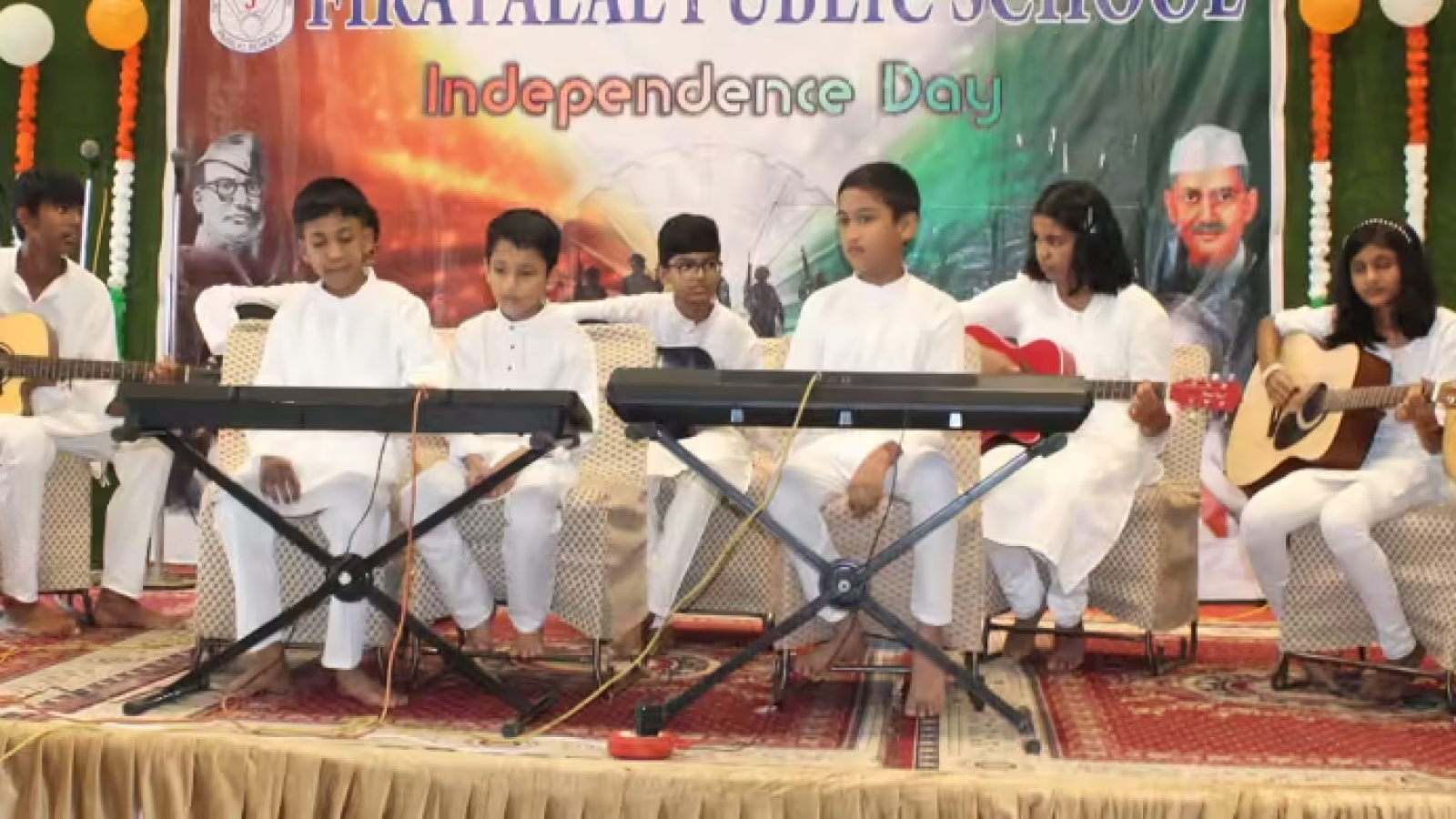
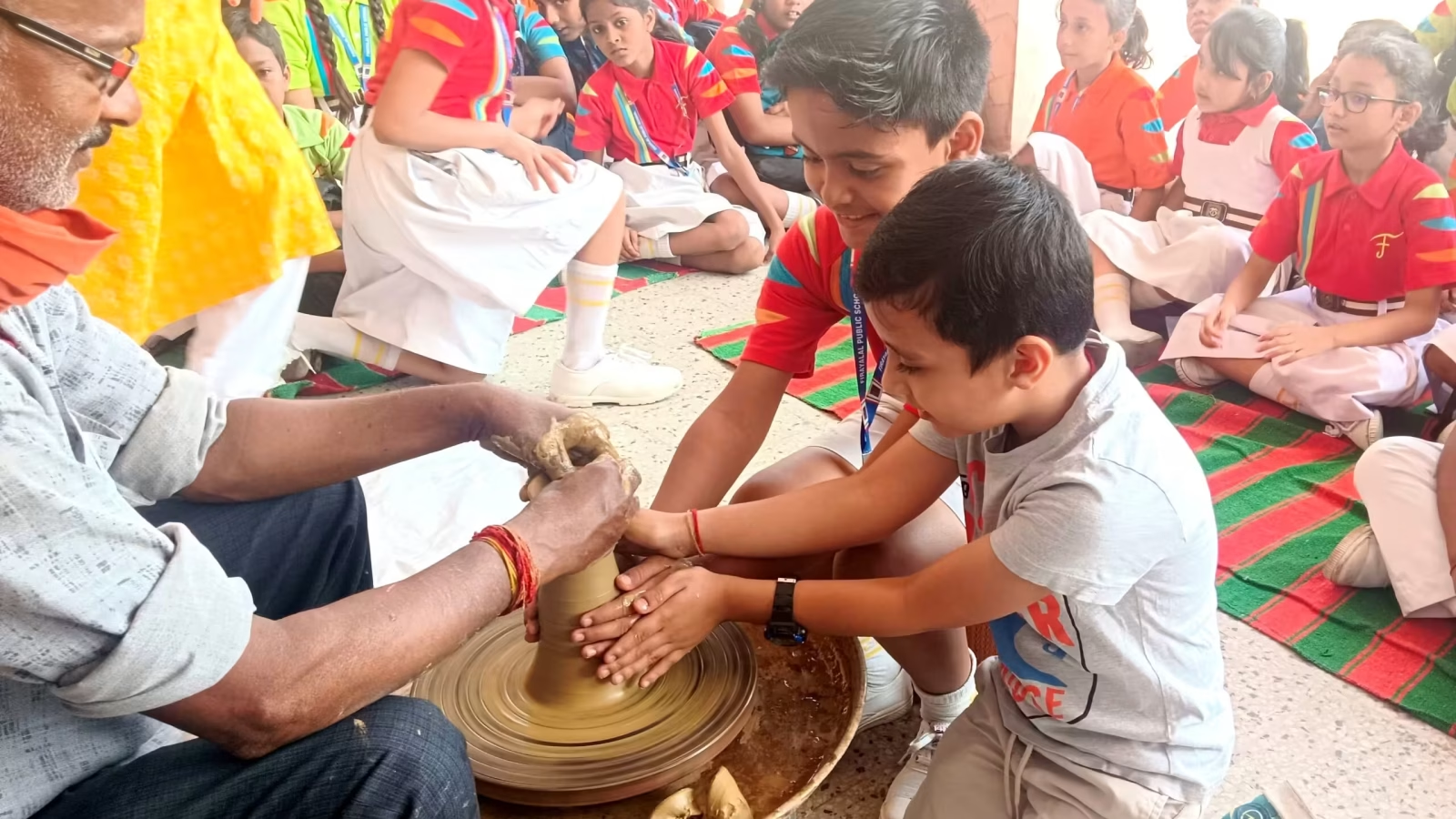
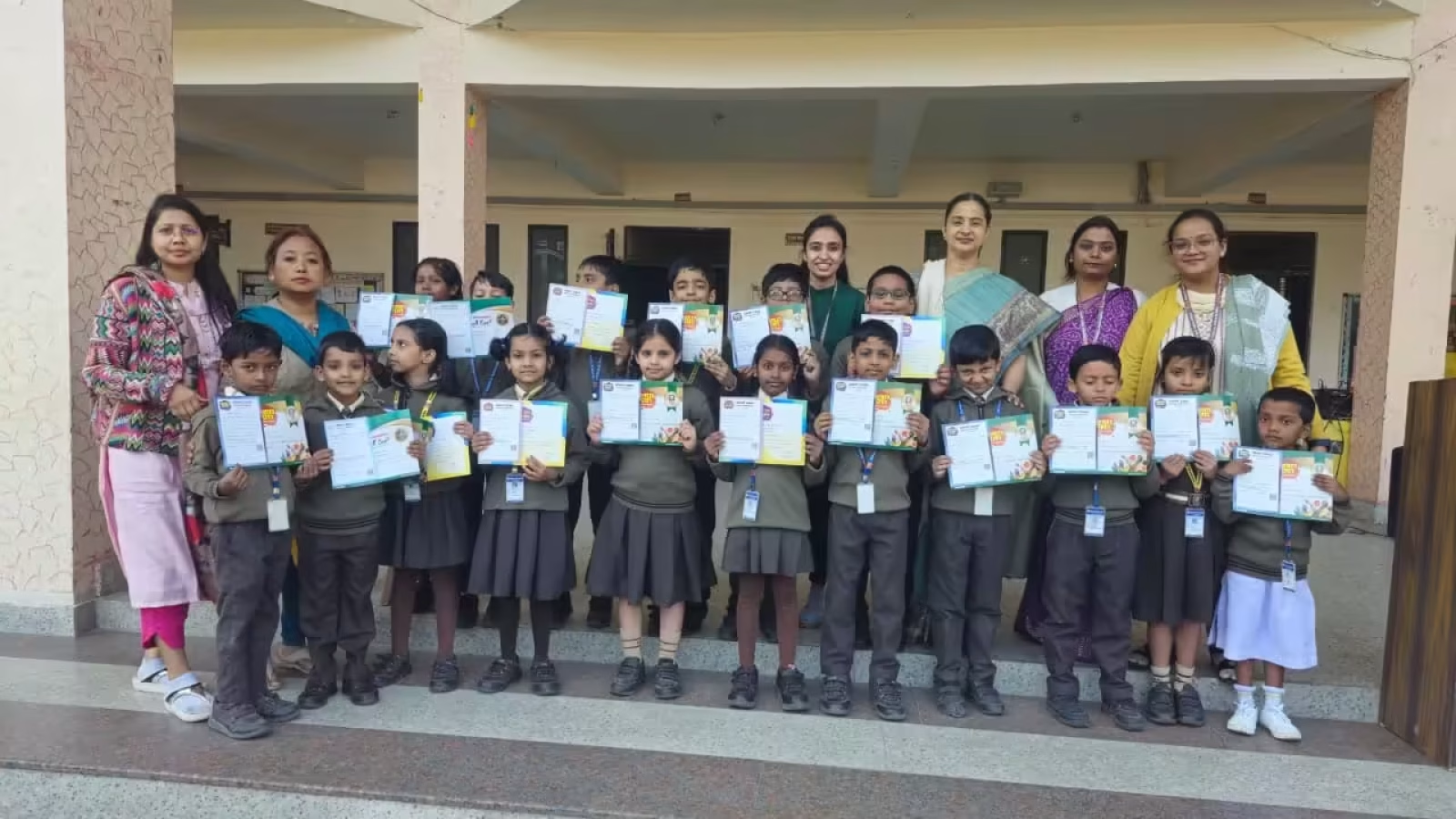
The Middle Stage marks the shift from foundational learning to subject-oriented exploration. It focuses on deepening conceptual understanding, logical reasoning, and independent learning.
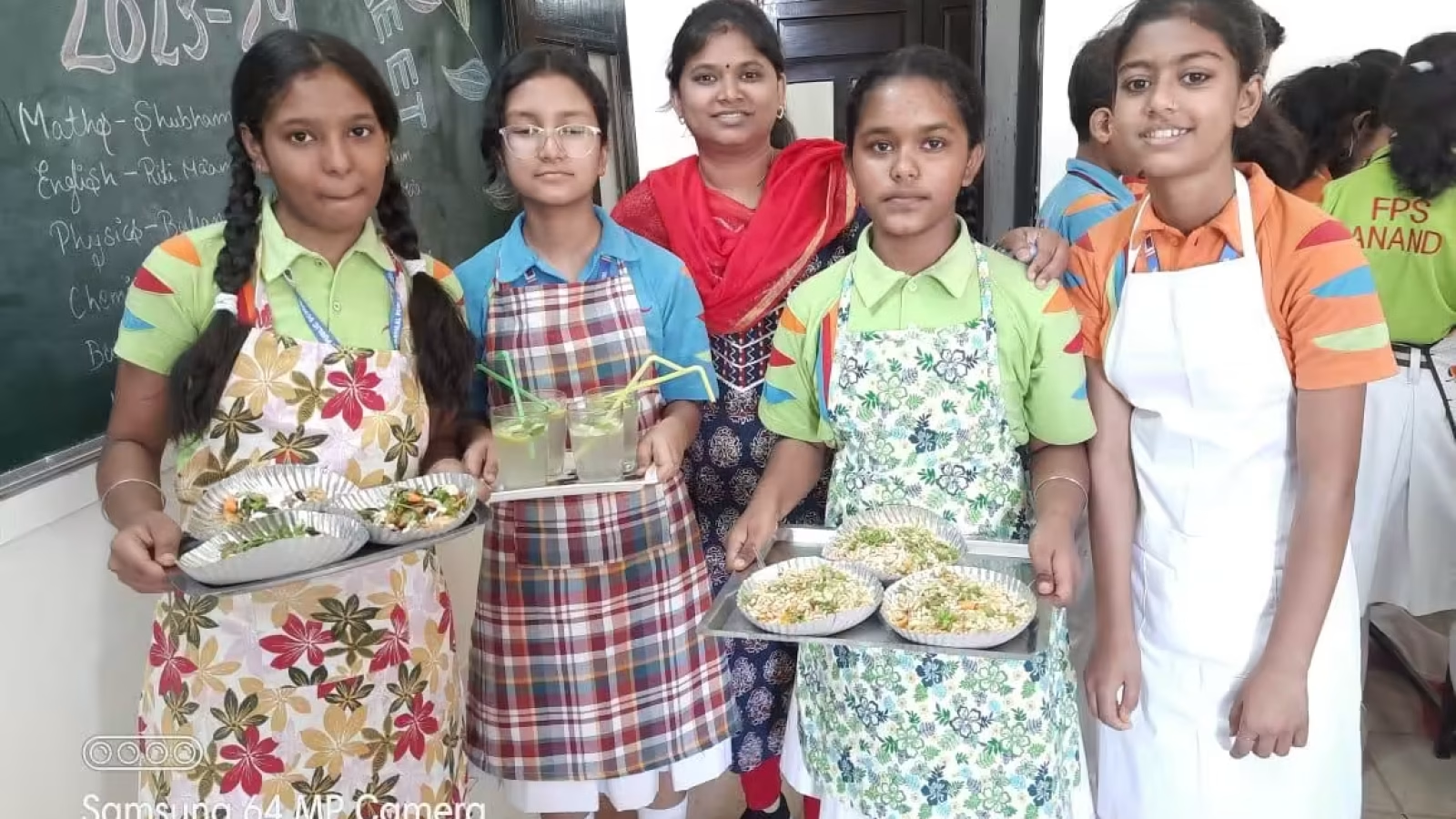
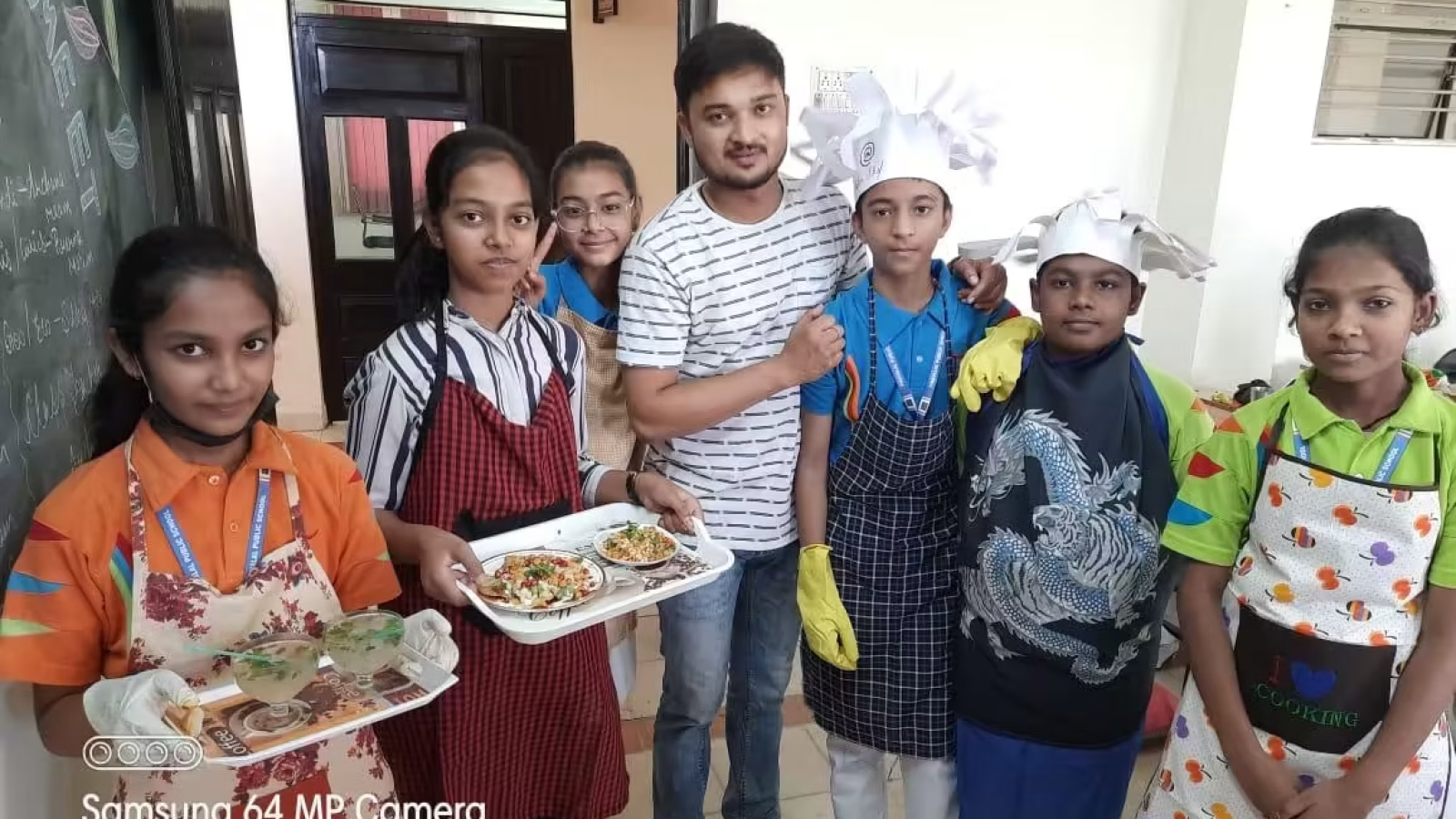
Aligned with the National Education Policy (NEP) 2020, this stage emphasizes experiential and inquiry-based learning which includes field-trips and excursions which helps them to understand our rich culture and heritage. This helps our students to analyze, question and connect academic concepts to real-life situations. Industrial trips, vocational courses like carpentry, plumbing, basic knowledge about electrical gadgets, web designing (coding), knitting, sewing, gardening, culinary skills, etc. to promote sustainable development programmes along with various clubs like Eco club, Quill club etc. Teachers nurture critical thinking, collaboration and creativity, helping learners grow intellectually, emotionally, and socially.
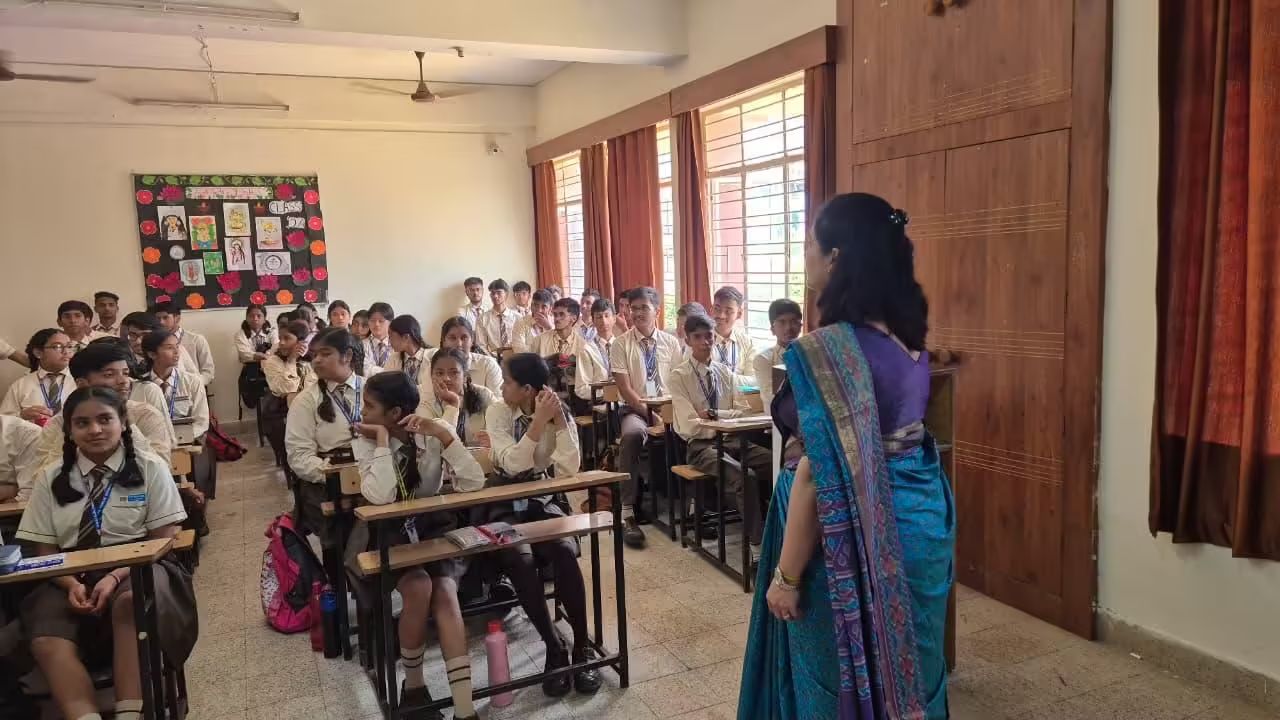
According to NEP 2020, the Secondary Stage focuses on deeper, multidisciplinary learning that builds critical thinking, problem-solving skills, and future readiness. Students explore subjects in greater depth while enjoying increased flexibility to choose areas aligned with their interests. Learning becomes more inquiry-based, analytical, and application-oriented through projects, research tasks, and real-world problem solving. The curriculum integrates academics with vocational education, life skills, values, arts, and technology. Assessment shifts from rote learning to competency-based evaluation, emphasising understanding and application. This stage prepares learners for higher education, careers, and responsible citizenship with confidence and clarity of purpose.